The world of online business is growing faster than ever, and one of the most talked-about ways to start selling online is through dropshipping. If you’ve been curious about how people launch eCommerce stores without holding any inventory or managing warehouses, this guide will explain exactly how that’s possible. Dropshipping is one of the most beginner-friendly business models in the digital age, allowing entrepreneurs to sell products online with minimal upfront costs. But what exactly is it, how does it work, and is it still worth starting in 2025? Let’s explore.
Understanding Dropshipping
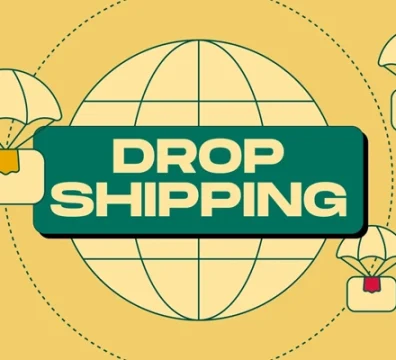
At its core, dropshipping is an online retail model where you don’t need to keep the products you sell in stock. Instead, when a customer makes a purchase through your online store, you forward the order to a supplier or wholesaler, who then ships the product directly to the customer on your behalf.
This means you never have to handle the physical product. Your main responsibility as a dropshipper is to manage the online storefront, market your products, and provide customer support. Everything related to packaging and shipping is taken care of by your supplier.
This model became popular thanks to the rise of eCommerce platforms like Shopify, WooCommerce, and marketplaces such as AliExpress, where anyone can connect their store to global suppliers. You can learn more about how the system works by visiting Shopify’s official dropshipping guide.
How Dropshipping Works (Step by Step)
Although dropshipping may sound complex, it’s surprisingly straightforward once you understand the process. Here’s how it typically works:
- You set up an online store – Using a platform like Shopify or WordPress with WooCommerce, you design your storefront and list products you want to sell.
- You choose suppliers – You find reliable suppliers through platforms like AliExpress or CJ Dropshipping. Many new entrepreneurs use apps like DSers or Spocket to connect their store to these suppliers automatically.
- Customers place an order – When someone buys a product from your website, you receive payment immediately.
- You forward the order to your supplier – The supplier receives the customer’s details and ships the product directly to them.
- You earn the profit margin – The difference between your retail price and the supplier’s wholesale price becomes your profit.
For example, if a supplier sells a watch for $20 and you list it for $40, you earn a $20 profit every time someone makes a purchase — all without touching the product.
Why So Many People Choose Dropshipping
One of the biggest reasons people are drawn to dropshipping is that it allows them to start a business with very little upfront investment. Unlike traditional retail or Amazon FBA, you don’t need to buy inventory in bulk or pay for warehouse space. This low barrier to entry makes dropshipping especially appealing to students, freelancers, or anyone exploring side-income opportunities.
Another advantage is the flexibility it offers. You can manage your store from anywhere with an internet connection, and because suppliers handle fulfillment, your business can keep running even while you’re asleep. The automation tools available today — such as Oberlo (formerly a Shopify app), AutoDS, and Spocket — make it possible to manage hundreds of orders with minimal manual work.
Dropshipping also provides a way to test products and markets without major risk. If one product doesn’t sell, you can remove it and add a new one instantly — something that’s not possible with physical inventory. This makes dropshipping an ideal model for experimenting, learning about eCommerce, and understanding how consumers behave online.
The Challenges Behind the Opportunity
Despite its advantages, dropshipping is not a get-rich-quick model. The biggest challenge lies in competition. Since anyone can start a dropshipping store, many product categories are crowded, and profit margins can be thin. Success depends heavily on finding unique or trending products, building a strong brand identity, and creating a marketing strategy that attracts consistent traffic.
Shipping times can also be an issue, especially if your suppliers are located overseas. Customers today expect fast delivery, so it’s essential to work with suppliers who can fulfill orders efficiently or use local warehouses if available.
Additionally, customer service can become complicated because you rely on third-party suppliers to manage fulfillment. If a product arrives late or damaged, you must handle the complaint even though the problem wasn’t directly your fault.
These challenges don’t make dropshipping impossible — they simply mean it requires real effort, consistency, and a professional approach.
How to Get Started with Dropshipping
If you’re considering starting a dropshipping business, begin with the right foundation:
- Choose a niche – Focus on a specific category that interests you and has demand, such as home decor, fitness accessories, or tech gadgets.
- Research suppliers – Use reliable platforms like Spocket or CJ Dropshipping to find trusted suppliers with good shipping times.
- Build your online store – Create your website using Shopify or WordPress. Make it clean, mobile-friendly, and visually appealing.
- Add products and set prices – Use clear product descriptions, professional images, and competitive pricing strategies.
- Market your store – Use social media marketing, influencer collaborations, and SEO to attract visitors. You can also run Facebook or Google Ads for faster results.
If you want help setting up your website, managing ads, or developing a content strategy, you can learn more about our eCommerce setup and digital marketing services.
Is Dropshipping Still Profitable in 2025?
The short answer is yes — but not in the same way it was a few years ago. Dropshipping has evolved. Gone are the days when you could copy a product from AliExpress, run a few Facebook ads, and instantly make thousands in profit. Today’s successful dropshippers treat their stores as real brands, offering better product quality, professional websites, and customer-focused service.
Profitability now depends more on branding, creativity, and smart marketing than just product selection. With the right strategy, it’s still possible to build a profitable dropshipping store in 2025 — but it takes patience, testing, and a willingness to learn continuously.
Final Thoughts
Dropshipping remains one of the most accessible paths to starting an online business. It allows you to enter the world of eCommerce without the financial risk of buying inventory upfront. For many, it serves as the perfect introduction to digital entrepreneurship — a way to learn marketing, customer engagement, and product research while running a real business.
If you’re ready to take your first step toward building a dropshipping store, focus on the essentials: find a trustworthy supplier, choose your niche carefully, and build a brand that customers can trust. And if you need professional help with website design, marketing strategy, or SEO, [contact our digital marketing experts]. We’ll help you build a strong foundation for your online business success.